



Not every container can hold a high-acid salsa, a hot-fill sauce, or a fermented spread without breaking down over time. The packaging has to be as tough as what goes inside it. For small-batch producers working with vinegar-forward recipes or capsaicin-heavy blends, glass jars with lids have become the industry standard. They hold up where other materials soften, absorb, or react. More importantly, they signal quality in a way some other containers can't.
Choosing glass as your container is the first step. The second one is a bit more complex: Which jar-and-lid combination actually qualifies as food-safe? The jar material, the lid liner, and the seal each have to meet food-contact standards. That applies before any product goes to market. This guide covers what those standards involve and how to match the right combination to your specific fill.
What Makes Glass Jars with Lids Food-Safe
Glass jars with lids earn their place in food production because of what glass itself won't do. It won't react with vinegar, citrus, or capsaicin. It won't absorb oils or odors from a chili sauce. As a result, those inert properties make glass one of the few materials that resists chemical interaction entirely.
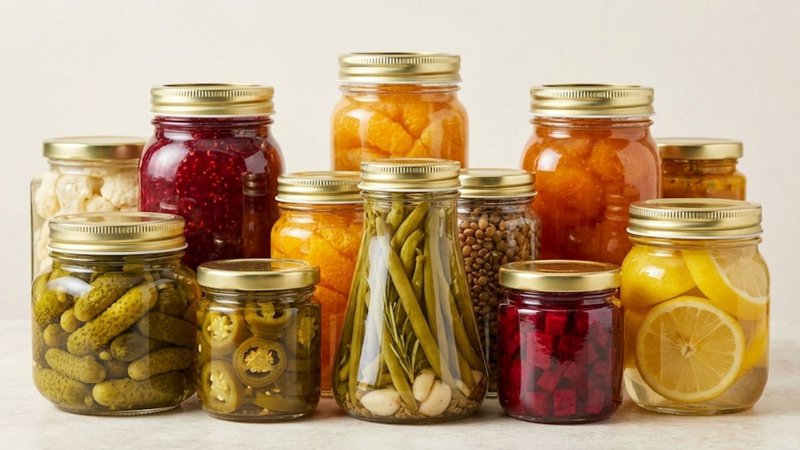
That stability matters for any high-acid product with a long shelf life. In addition, the lid is part of that system, not a separate consideration. Some metal lids carry a food-contact liner that sits between the closure and the food. That liner needs its own food-contact approval. For example, food with a 2.5 < pH < 3.5 would require a special-order cap. Furthermore, most modern versions are BPA-free by default.
Lid Certifications and What They Cover
Food-contact approval means a material has cleared regulatory review before it touches food. For lids, that clearance covers the metal shell and the seal liner. Packaging safety standards apply on both sides of the border and cover every component that contacts food. For example, two-piece metal lids are common for heat-processed products like jams and pickles. They form a vacuum seal as the jar cools. That vacuum confirms the lid is seated properly and the contents sealed tight. Continuous thread lids, by contrast, suit cold-fill products and refrigerated spreads. A tamper-evident finish also adds a visible safety signal at the shelf. Richards Packaging offers a selection of jar closures that include both lid types across standard jar neck finishes.
Matching the Jar to Your Food and Fill Process
When it comes to glass jars with lids, the choice of shape depends on the intended contents. Wide-mouth formats suit chunky products like salsas, dips, and spreads. A large opening makes filling easy and gives customers a clean scoop. Conversely, tall, narrow shapes favor pourable sauces that benefit from a small surface area at the top.
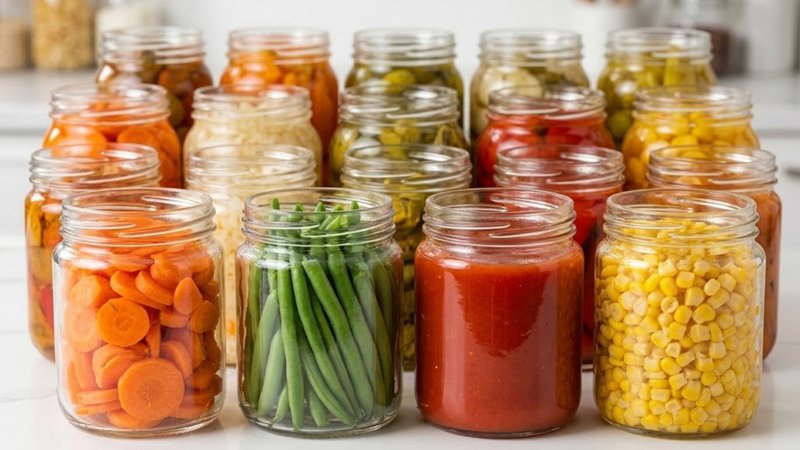
Moreover, manufacturers should consider the label space. A short, wide jar gives a large front panel for strong branding. A taller jar suits long neck labels or QR codes. Hot-fill operations need a jar rated for heat. The sauce cools inside the sealed container and draws the lid inward, forming a vacuum. That is why the CFIA's food safety framework requires food-contact components to meet applicable standards. That includes the lid liner. For instance, a dips and spreads line benefits from wide-mouth stock in multiple sizes. Similarly, salsa and sauce producers often pair wide-mouth jars with continuous thread lids for easy resealing.
Sourcing Certified Glass Jars with Lids Through a Reliable Distributor
Food-grade certification is only as reliable as the distributor who can document it. In addition, a supplier that tracks its sourcing removes a compliance question before you even ask.
Richards Packaging carries bottle, jar, and closure stock from domestic and international manufacturers. That stock moves through a global supply network built to food-grade standards. Orders typically arrive in four to five business days. In-store pickup at Canadian and U.S. locations also reduces that window. Moreover, a modest minimum order quantity (MOQ) lets you launch at a sensible volume and reorder as demand grows. Ultimately, the right distributor handles sourcing complexity so you can focus on the recipe.
Choosing glass jars with lids that meet food-safety standards gives a small brand a confident foundation. If you want guidance on specific jar-and-lid combinations, contact us and share your requirements. We’ll be happy to match our available options to your specific needs.


