



Most plastic bottle suppliers set their order minimums around their own costs, not the cash flow of a small food or beverage business. For a growing brand, that mismatch is one of the most common sourcing problems. Knowing how plastic & glass packaging wholesale works makes it easier to get the right container without overcommitting on volume.
Why Minimum Order Quantities Are a Problem for Small Brands
Suppliers impose minimum order quantities, or MOQs, to ensure each production run covers their fixed costs. For a large manufacturer turning over millions of units a month, that logic makes sense. For a small food producer launching a new product, it often means ordering far more than needed. That excess sits in storage instead of going toward growth.

According to Canada’s Key Small Business Statistics, 98% of Canadian businesses fall into the small or micro category. Many face the same challenge of needing professional packaging but lack the volume that large distributors require. For many of these brands, finding the solution is the difference between launching on time and delaying the project.
What to Know Before You Order Plastic Bottles Wholesale
Three things trip brands up most often when sourcing plastic bottles: material, neck finish, and size. Getting these right before you order avoids costly rework and delays.
PET and HDPE are the two most common materials for food and beverage bottles. PET offers clarity and suits sauces, juices, and condiments where shelf visibility matters. HDPE better manages chemical resistance and works well for thicker or acidic products. Both have food-grade versions that meet FDA food contact standards.
The neck finish is the threaded top section of the bottle where the cap attaches. It is written as two numbers, such as 38-400, where the first is the outside thread to outside thread width measurement in millimetres, the second is the height of the neck finish. Bottle and closure must share the same finish to seal properly. Ordering without checking the matching closure first is one of the most common errors for new brands.
Volume, shoulder profile, and label panel width all affect how a product looks on shelf and moves through a fill line. A Boston Round, for instance, suits thinner liquids and dispensing closures. By contrast, a straight-sided cylinder works better for products that need a full wrap label or stronger retail visibility.
Evaluating the Right Wholesale Supplier
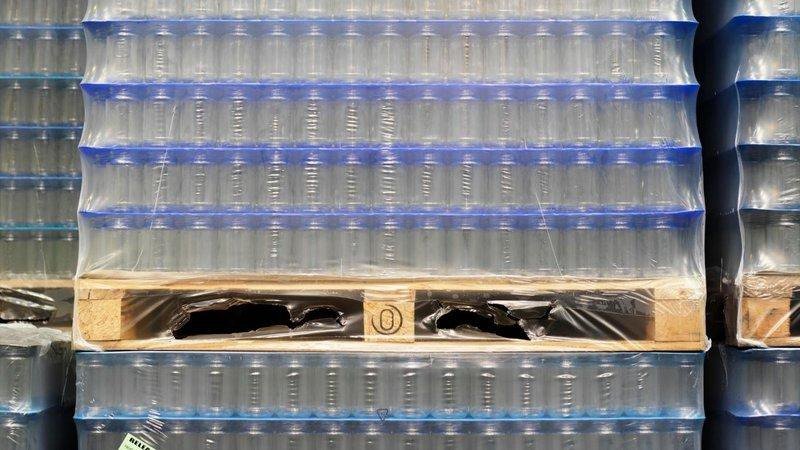
For manufacturers looking for a packaging partner, speed, range, and flexibility matter as much as price. A low unit cost counts for less if the lead time is twelve weeks or the minimum order is a full pallet you can't use.
Look for a distributor who stocks a wide range of items ready to ship. For small and mid-sized producers in Canada and US, a 2-5 business day delivery from a local stocking location is an ideal benchmark. That speed can support companies testing a new format, scaling into a new market, or responding to a short-notice retail opportunity.
A supplier who can help you match bottle to closure and advise on fit is also more valuable than someone who simply ships your order. Richards Packaging carries that kind of guidance when helping set up a wholesale partner. Visit our site and browse our plastic bottles and jars to learn more about the Richards difference. Or, contact us online to get started.


