



Every plastic bottle begins as tiny pellets of resin. That resin shapes how the finished container looks, feels, and performs. Some resins stay glass-clear on a busy shelf. Others block light, shrug off harsh chemicals, or handle hot filling. Choose the wrong one, and you risk cloudy packaging or a leaking product. Choose the right one and your formula stays stable for its full shelf life.
This guide walks through the most common bottle resins in plain language. You will see what each one does well, and where each one struggles.
Why Resin Choice Matters for Your Product
Resin is not just a line item on a quote. It decides four things your customers notice right away.
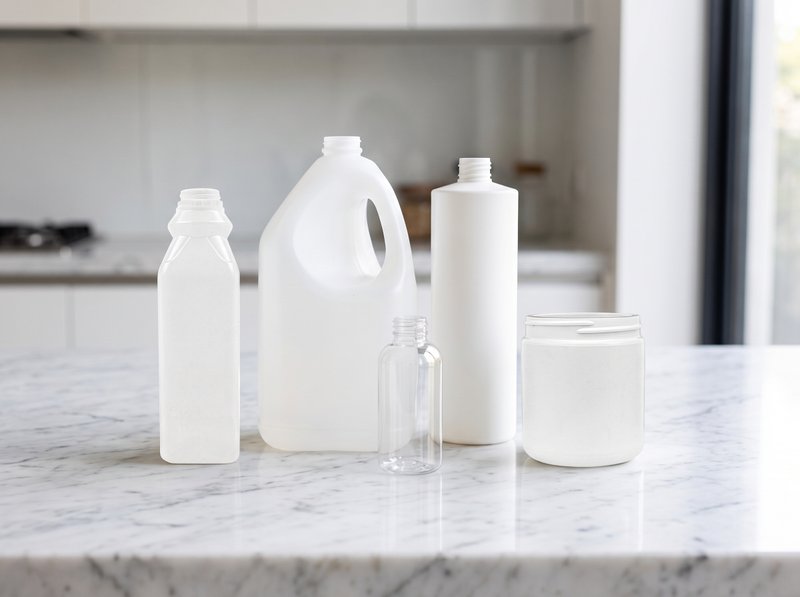
First, appearance. Clarity, gloss, and color all trace back to the base resin.
Second, protection. Each resin offers a different barrier against moisture, oxygen, and UV light.
Third, compatibility. Essential oils, acids, and solvents can attack the wrong plastic over time.
Fourth, function. Squeeze bottles, hot-fill sauces, and pump lotions each need different properties.
Smaller brands often pick a bottle for looks alone. Then a reformulation or a warm warehouse forces a change. Reading through packaging news and how-to guides early helps avoid that scramble. A short conversation about your formula can save you a costly second order.
PET and PETG Plastic Bottle: Clarity With Strength
PET stands for polyethylene terephthalate. It carries the number 1 recycling code. PET is lightweight, tough, and very clear. That makes it a default choice for juices, sodas, sauces, and supplements. It also holds carbonation well.
PET does have limits. It softens under high heat, so hot filling above roughly 120°F gets risky. Strong solvents and certain essential oils can also cause hazing.
PETG is a glycol-modified cousin of PET. It brings even better clarity and thicker walls. Skincare and serum brands love the premium feel in hand. It also tolerates a wider range of actives.
Both resins suit brands that want their product on display. Shoppers tend to trust what they can see. If color or texture is part of your pitch, clear plastic bottles deserve a close look.
HDPE and LDPE: The Everyday Workhorses
Not every product belongs in a clear container. Polyethylene covers the opaque and squeezable side of the shelf.
- HDPE (code 2). Naturally translucent or opaque white. Excellent moisture barrier and strong chemical resistance. Common for shampoo, lotion, cleaners, and dry supplements. Not an option when you need glass-like clarity.
- LDPE (code 4). Softer and more flexible than HDPE. Ideal for squeeze bottles, dropper bottles, and dispensing tips. Barrier performance runs a bit lower, so check your shelf life targets.
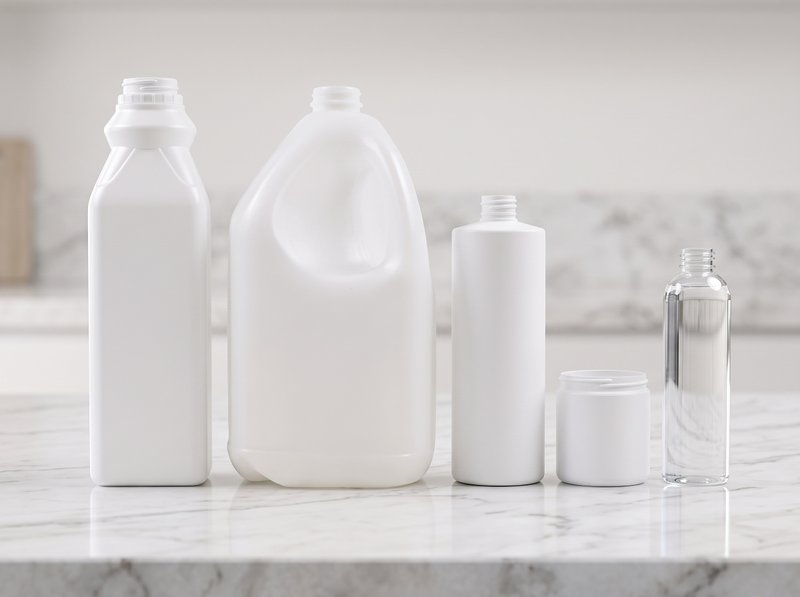
HDPE is often the safest starting point for industrial and chemical products. It stands up to acids, bases, and many solvents. LDPE wins whenever the customer needs to squeeze.
PP, PVC, and Other Specialty Resins
A few remaining resins solve narrower problems. Knowing them helps you ask sharper questions.
- PP (code 5). Handles heat far better than PET. A strong fit for hot fill sauces, sterilization, and most closures. Available in clear and opaque forms.
- PVC (code 3). Very clear with solid chemical resistance. Use has declined for recycling and regulatory reasons.
- PS and HIPS (code 6). Rigid, glossy, and low cost. Best suited to dry goods rather than liquids.
Sometimes no resin fits the brief. Extreme heat, aggressive solvents, or a luxury look may point somewhere else. In those cases, glass bottles and jars are worth comparing. Plenty of brands run both, using plastic for travel sizes and glass for full-size retail.
Let's Find the Right Resin for Your Plastic Bottle
Resin decisions get much easier with an expert in your corner. Richards Packaging has spent more than 114 years helping brands choose containers that hold up. Our team knows which resins play nicely with juices, beverages, essential oils, hot fill recipes. We work with small and mid-sized businesses across Canada and the US to find your the perfect packaging solution.
Speed matters too, especially during a launch. A wide range of plastic bottles and jars ships within days, with 2 to 5 business day delivery. Tell us about your product and we will point you to the right material. Reach out to our team today and let's get your next run moving.
Frequently Asked Questions
Does resin type change my shipping costs?
Yes, in two ways. Lighter resins such as PET reduce the total weight of a pallet. Wall thickness and bottle shape also affect how many units fit per case.
Can I use the same cap across different resins?
Usually yes, since closures match the neck finish rather than the resin. Sealing performance can still vary between materials. Always run a torque and leak test before full production.
What is PCR and should I consider it?
PCR means post-consumer recycled resin. It cuts virgin plastic use and supports sustainability goals. Color can shift slightly between batches, so review samples first.
How does sunlight affect plastic bottles?
UV light can degrade both the resin and your active ingredients. Amber, opaque white, or coated bottles help block it. Store finished goods away from direct light when you can.


